
Choosing the right Nintendo Switch can feel overwhelming, especially with the different models, accessories, and game options available today. Whether you’re a first-time buyer or upgrading from an older device, making the right choice ensures you get the best value for your money and the most enjoyable gaming experience. In this comprehensive guide—Nintendo Switch Dos and Don’ts: How to Choose the Right Model—you’ll discover the essential factors to consider, mistakes to avoid, and expert tips to help you find the perfect version for your needs.
Introduction: Why Choosing the Right Nintendo Switch Matters
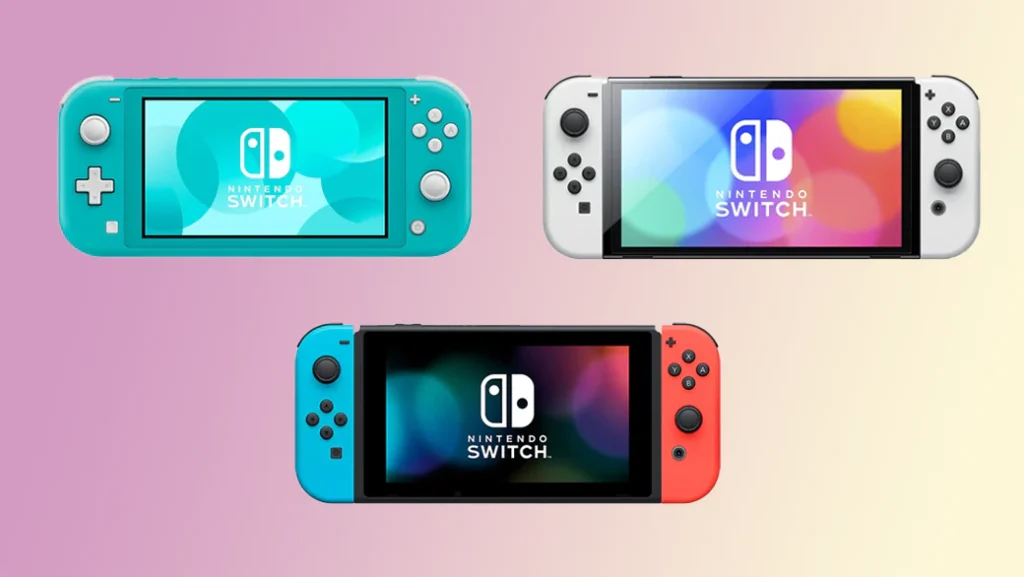
The Nintendo Switch has become one of the most popular gaming consoles in the world thanks to its versatility, portability, and rich library of family-friendly and competitive titles. But with multiple versions on the market—such as the standard Nintendo Switch, Nintendo Switch Lite, and Nintendo Switch OLED—many buyers struggle to identify which model truly fits their lifestyle.
That’s why understanding the Nintendo Switch Dos and Don’ts: How to Choose the Right Model is essential. If you rush your decision or buy based on the wrong priorities, you might end up with features you don’t need—or worse, miss out on important ones.
This article will break down all the dos and don’ts to help you confidently choose the right Nintendo Switch model for yourself, your family, or as a gift.
1. DO Understand the Differences Between Switch Models
Why it matters
Each Nintendo Switch model has unique features. Knowing the differences ensures you pick the one that aligns with your gaming style and lifestyle.
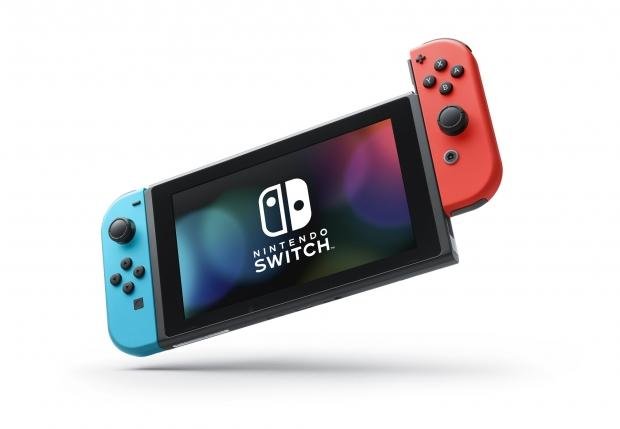
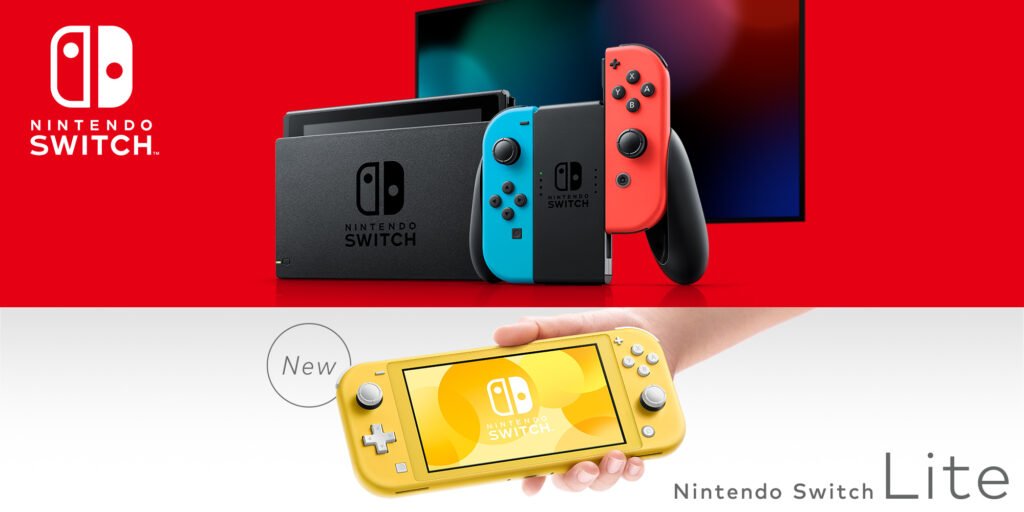
1.1-Nintendo Switch (Standard Model)
- Hybrid: TV mode + handheld mode
- Detachable Joy-Cons
- Great for families or shared gaming
- Battery life: Good but varies by model revision
1.2-Nintendo Switch OLED Model
- Larger 7-inch OLED screen
- Better color, brightness, and contrast
- Enhanced stand for tabletop mode
- Improved speakers
- Same gameplay performance as standard Switch
- Ideal for players who love handheld gaming in high quality
1.3-Nintendo Switch Lite
- Fully handheld
- Smaller, lightweight, and more portable
- No TV dock support
- Affordable
- Perfect for solo players or travelers
🎮 The key takeaway:
Understanding these differences is the first and most important step in the Nintendo Switch Dos and Don’ts: How to Choose the Right Model.
2. DO Consider How You Plan to Use the Console
Your gaming habits determine which Nintendo Switch model will give you the most value.
You might prefer the standard or OLED model if:
- You want to play on the TV
- You often play multiplayer games
- You want versatile gaming modes (dock, handheld, tabletop)
You might prefer the Switch Lite if:
- You travel often
- You prefer a lighter, more compact device
- You mostly play single-player games
- You want a budget-friendly option
Many new buyers skip this step, but taking a moment to reflect on how you’ll use the console helps you choose wisely.
3. DO Compare Prices Before You Buy
Nintendo Switch prices vary based on region, retailer, and ongoing promotions. The OLED model is more expensive but offers meaningful upgrades, while the Lite is the cheapest option.
General price hierarchy (from most to least expensive):
- Nintendo Switch OLED
- Nintendo Switch (Standard)
- Nintendo Switch Lite
You can also find bundles that include games or accessories, often providing better value—even during non-holiday seasons.
4. DO Check for Bundle Deals and Seasonal Sales
When researching Nintendo Switch Dos and Don’ts: How to Choose the Right Model, one major “DO” is to take advantage of bundle deals when available.
Common bundle options include:
- Console + game bundle
- Console + memory card bundle
- Special edition themed consoles (Zelda, Mario, Pokémon)
Buying during Black Friday, Cyber Monday, or holiday sales can save you a significant amount of money or unlock extra accessories at no additional cost.
5. DO Make Sure You Buy From Authorized Retailers
To avoid fake or defective products, always buy from trusted sellers. The Nintendo Switch is popular, which unfortunately makes it a target for counterfeit Joy-Cons and accessories.
Trusted sellers often include:
- Nintendo official store
- Amazon (sold by Amazon or Nintendo)
- Best Buy
- Walmart
- GameStop
- Target
- Local, reputable tech shops
Buying from authorized retailers ensures your console comes with full warranty protection.
6. DO Consider the Screen Quality (Especially for Handheld Users)
If you primarily play in handheld mode, the Switch OLED model offers the best visual experience.
Benefits of the OLED screen:
- Rich colors
- Higher contrast
- Larger 7-inch display
- More immersive handheld gameplay
If display quality matters to you, the OLED model is the superior choice.
7. DO Think About Battery Life
Battery life varies slightly by model, though newer versions have improved efficiency.
- Nintendo Switch & OLED: 4.5 to 9 hours
- Nintendo Switch Lite: 3 to 7 hours
Casual gamers may not need the longest battery life, but frequent travelers or mobile players should consider it carefully.
8. DO Check Game Compatibility
While the Switch Lite is excellent for handheld gaming, not all games support handheld mode (or require separate Joy-Cons to play properly).
Examples that require Joy-Cons:
- 1-2-Switch
- Just Dance series
- Nintendo Switch Sports
If you buy a Switch Lite but want to play these games, you must purchase Joy-Cons separately—adding to the cost.
9. DON’T Buy Based on Looks Alone
Nintendo frequently releases limited edition Switch consoles, themed after popular games like Zelda or Pokémon. While beautiful, they may not offer better performance.
Buying solely based on design can cause you to overlook features that matter more—like screen type, portability, or multiplayer compatibility.
10. DON’T Ignore Your Storage Needs
Nintendo Switch consoles come with limited internal storage:
- Switch & Lite: 32GB
- Switch OLED: 64GB
Games like The Legend of Zelda: Tears of the Kingdom require over 16GB. You will quickly run out of space without a microSD card.
Best practice:
Always budget for a microSD card if you plan to download games digitally.
11. DON’T Forget to Check the Condition (When Buying Used)
Buying used can save money, but it comes with risks.
Always check:
- Screen scratches
- Joy-Con drift
- Battery health
- Dock functionality
- Original packaging
- Warranty availability
Avoid sellers who refuse to show photos or offer return options.
12. DON’T Assume All Accessories Are Compatible
While many accessories work across all Switch models, some do not.
Incompatible examples:
- Switch Lite cannot use the standard dock to play on TV
- Certain cases fit only the OLED model
- Joy-Cons may require firmware updates
Always verify the accessory compatibility before purchasing.
13. DON’T Overlook the Importance of Joy-Cons
Joy-Cons are a major part of the Nintendo Switch ecosystem. But some games require precise or motion-sensitive input. Low-quality third-party Joy-Cons can affect gameplay accuracy.
Stick with official Nintendo Joy-Cons for the best and safest experience.
14. DON’T Skip Researching Game Libraries
Before you buy, check if the Nintendo Switch library matches your gaming preferences.
Switch excels in:
- Family-friendly games
- Adventure games
- Indie titles
- Party games
- Nintendo exclusives (Mario, Zelda, Pokémon)
If you’re primarily into ultra-realistic graphics or heavy online shooters, you might feel limited. The Switch prioritizes creativity, fun, and portability over raw graphical power.
15. DON’T Forget About Online Membership Costs
Nintendo Switch Online is required for multiplayer gameplay. It also provides access to classic NES, SNES, Game Boy, and N64 titles.
Plans include:
- Individual monthly/yearly
- Family plan (best for households)
- Expansion Pack option for extra game libraries
Factor in these costs when budgeting.
Conclusion: Making the Right Choice With Nintendo Switch Dos and Don’ts
Choosing the perfect Nintendo Switch doesn’t have to be confusing. By following the essential Nintendo Switch Dos and Don’ts: How to Choose the Right Model, you can confidently select the console that aligns with your gaming needs, budget, and lifestyle.
Whether you prefer the versatility of the standard Switch, the stunning display of the OLED model, or the portability of the Switch Lite, each version offers its own strengths. The key is understanding how you’ll use the device and avoiding common pitfalls like ignoring compatibility, storage requirements, or seller credibility.
With the right information, you’re now ready to make a smart, informed, and satisfying purchase that will bring you years of enjoyment.