
Introduction
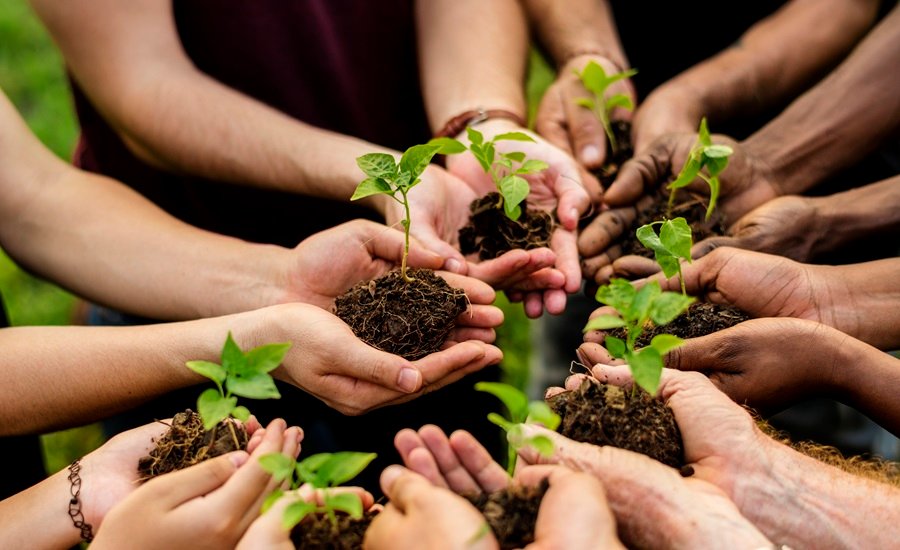
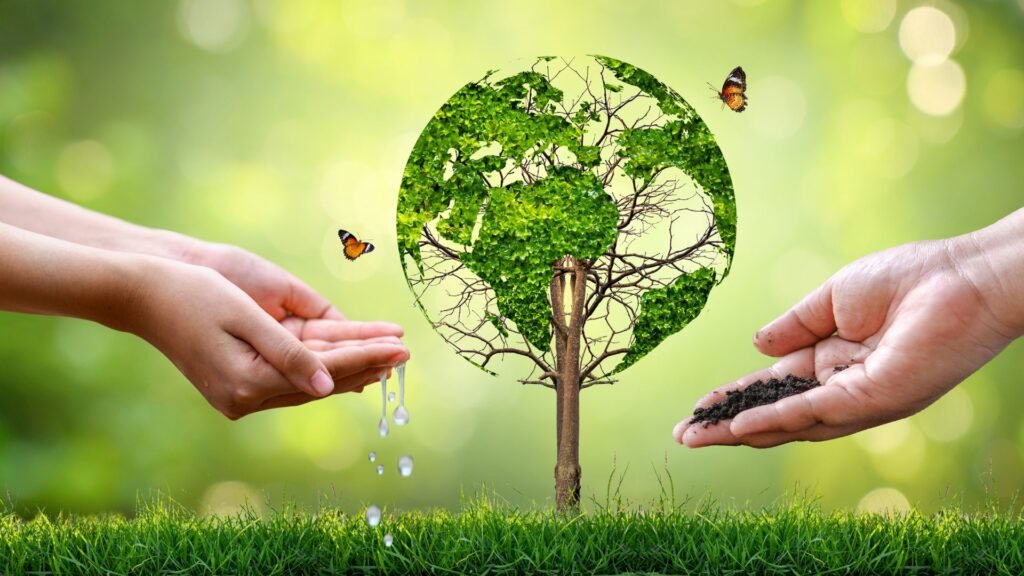
Preserving our planet starts with the choices we make every day, and that’s why this guide offers Expert Advice on Preserving the Environment in Your Daily Life. Today, environmental challenges such as pollution, climate change, and the loss of natural resources affect the daily lives of people everywhere, making environmental protection an urgent and shared responsibility. Climate change, biodiversity loss, and resource depletion impact communities from rural areas to major cities, but experts emphasize that small, consistent actions taken by millions of individuals can lead to powerful, positive change. This article provides practical and effective tips you can start applying today to reduce your environmental footprint through simple, sustainable habits that can collectively make a significant difference for the future of our planet.
In this comprehensive guide, you’ll discover expert advice on preserving the environment in your daily life, ranging from energy-saving habits to sustainable shopping, eco-friendly travel, waste reduction, and more. This 3,000-word resource is structured to be practical, engaging, and easy to apply—whether you’re just starting your sustainability journey or looking for advanced ways to reduce your environmental footprint.
Why Daily Environmental Habits Matter
Environmental scientists and sustainability experts repeatedly stress one message: change begins at home. While government policies, corporate reforms, and global treaties play crucial roles, the daily habits of individuals collectively shape the health of our planet.
Using Expert Advice on Preserving the Environment in Your Daily Life, this article highlights how simple actions—like reducing plastic use, saving energy, choosing greener transportation, and supporting eco-conscious brands—contribute to a cleaner, healthier environment.
1. The Power of Collective Action
Experts argue that when individuals adopt eco-friendly habits, the impact multiplies. For example, if just one million households switch to energy-efficient LED bulbs, carbon emissions could drop by thousands of tons per year.
2. Daily Habits Are Sustainable Habits
Large lifestyle shifts can feel overwhelming, but small daily routines are easier to maintain. These small actions accumulate into long-term changes that support the environment.
3. Environmental Preservation Benefits You Too
Sustainable living leads to:
- Lower utility bills
- Healthier food choices
- Cleaner communities
- Reduced stress and clutter
- Financial savings
- Improved indoor and outdoor air quality
When you follow Expert Advice on Preserving the Environment in Your Daily Life, the environment isn’t the only thing that benefits—you do too.
Energy Efficiency at Home: Start Where You Live
Energy use is one of the biggest contributors to climate change. According to energy-efficiency experts, the typical household can reduce energy consumption by 20–40% with simple behavioral changes.
1. Switch to Energy-Efficient Appliances
Energy-efficient appliances use less electricity while offering better performance.
Consider upgrading:
- Refrigerators
- Air conditioners
- Washing machines
- Ovens
- Water heaters
Look for products with certifications such as Energy Star, which experts recommend as part of Expert Advice on Preserving the Environment in Your Daily Life.
2. Use LED Lighting
LED bulbs last up to 25 times longer and use 75% less energy than traditional incandescent bulbs. Replacing all bulbs in your home can significantly reduce energy usage and electricity costs.
3. Unplug Devices Not in Use
“Phantom load” occurs when electronics consume power even when turned off. Experts suggest unplugging:
- Phone chargers
- Televisions
- Microwave ovens
- Computers
- Gaming consoles
Using power strips makes this easier—just flip one switch.
4. Improve Home Insulation
Proper insulation keeps homes warmer in winter and cooler in summer, reducing the need for heating and cooling.
Key areas for insulation:
- Windows
- Doors
- Attics
- Walls
- Floors
This is one of the most impactful forms of Expert Advice on Preserving the Environment in Your Daily Life because it reduces carbon emissions and lowers monthly bills.
Water Conservation: Every Drop Counts
Water scarcity is increasing worldwide, and environmental experts advise us to conserve water at home to protect this precious resource.
1. Fix Leaks Immediately
A single leaking faucet can waste up to 3,000 liters of water per year. Repairing leaks is simple and extremely impactful.
2. Install Low-Flow Fixtures
Low-flow showerheads and faucets can reduce water use by 30–50% without sacrificing performance.
3. Practice Smart Water Use
- Take shorter showers
- Turn off the tap while brushing your teeth
- Run the dishwasher only when full
- Use a bucket instead of a hose for car washing
Following these tips aligns perfectly with Expert Advice on Preserving the Environment in Your Daily Life.
4. Collect Rainwater
Rainwater harvesting is environmentally friendly and cost-effective. Use collected rainwater for:
- Gardening
- Cleaning outdoor areas
- Watering plants
Sustainable Transportation Choices
Transportation accounts for nearly one-third of global carbon emissions. Experts recommend altering your travel habits to make them more sustainable.
1. Walk or Cycle for Short Trips
Walking and cycling reduce pollution, improve physical health, and save money. If your daily errands are within 1–3 km, consider skipping the car.
2. Use Public Transportation
Buses, trains, and trams reduce the number of vehicles on the road, cutting emissions dramatically.
3. Carpool with Friends or Colleagues
Sharing rides reduces fuel use and traffic congestion.
4. Consider Eco-Friendly Vehicles
Hybrid and electric cars are becoming more affordable. Experts highlight them as essential components of Expert Advice on Preserving the Environment in Your Daily Life.
Responsible Consumption: Buy Less, Choose Wisely
Consumer choices shape the environment. Experts believe mindful consumption is one of the easiest and most effective ways to reduce waste.
1. Choose Sustainable Products
Look for:
- Recycled materials
- Biodegradable packaging
- Organic items
- Fair trade certifications
- Eco-friendly labels
2. Avoid Single-Use Plastics
Replace disposable items with reusable alternatives:
- Reusable bottles instead of plastic bottles
- Cloth bags instead of plastic bags
- Glass containers instead of plastic containers
- Metal straws instead of plastic straws
3. Support Eco-Friendly Brands
Many companies now prioritize sustainable production. Supporting them helps promote responsible manufacturing.
4. Buy Only What You Need
Overconsumption leads to excessive waste. Experts recommend adopting minimalist buying habits to reduce environmental impact and save money.
Waste Reduction: The Three R’s (Reduce, Reuse, Recycle)
Waste pollution—especially plastic and electronic waste—is a growing problem worldwide. Environmental consultants emphasize the importance of the 3R principles.
1. Reduce Waste at the Source
Avoid unnecessary packaging and single-use items. Choose bulk purchasing when possible.
2. Reuse Items Before Throwing Them Away
Examples:
- Reuse jars for storage
- Repurpose old clothes into cleaning cloths
- Convert old furniture through DIY projects
3. Recycle Properly
Separate waste into:
- Paper
- Plastic
- Metal
- Glass
- Organic waste
Learning your local recycling rules is part of Expert Advice on Preserving the Environment in Your Daily Life.
4. Compost Organic Waste
Food scraps and leaves can be composted at home. Compost enriches soil and reduces landfill waste significantly.
Eco-Friendly Food Habits
Food production—especially livestock farming—has a major environmental impact. Experts offer several ways to reduce your food-related carbon footprint.
1. Eat More Plant-Based Meals
Even replacing one meat-based meal per day with plant-based alternatives can make a big difference.
2. Choose Local and Organic Foods
Locally grown foods:
- Require less transportation (lower emissions)
- Are fresher
- Support local farmers
- Often use fewer pesticides
3. Avoid Food Waste
Over one-third of food produced globally is wasted. Prevent this by:
- Planning meals
- Buying only what you need
- Storing food correctly
- Using leftovers creatively
4. Bring Your Own Containers
When buying takeout or visiting local markets, BYO containers reduce packaging waste.
Green Cleaning: Safe for You and the Environment
Many household cleaning products contain harmful chemicals that pollute water and air. Experts recommend switching to greener alternatives.
1. Choose Eco-Friendly Cleaning Products
Look for labels such as:
- Non-toxic
- Biodegradable
- Plant-based
- Phosphate-free
2. Make Your Own Natural Cleaners
Common ingredients:
- Vinegar
- Lemon
- Baking soda
- Essential oils
3. Avoid Aerosols
Aerosol sprays release pollutants and contribute to indoor air contamination.
Following this advice is consistent with sustainable housekeeping practices within Expert Advice on Preserving the Environment in Your Daily Life.
Eco-Friendly Technology Habits
Technology usage contributes to energy waste and electronic pollution.
1. Use Devices Longer
Avoid upgrading your phone or laptop unnecessarily.
2. Recycle Electronics Properly
E-waste contains metals and chemicals harmful to the environment.
3. Enable Energy-Saving Modes
Most modern devices have built-in power-saving features that reduce electricity usage.
Green Gardening and Outdoor Practices
Creating environmentally friendly outdoor spaces helps biodiversity and reduces pollution.
1. Plant Trees
Trees absorb carbon dioxide, provide shade, and improve air quality. Experts consistently recommend tree planting as a powerful eco-action.
2. Use Organic Fertilizers
Chemical fertilizers pollute water and soil. Compost or natural fertilizers are safer choices.
3. Create a Habitat for Pollinators
Bees, butterflies, and birds are essential for the environment. Plant native flowers and avoid pesticides to support them.
4. Conserve Water in Your Garden
- Drip irrigation
- Mulching
- Watering early in the morning
These methods reduce water waste and maintain healthy soil.
Community Involvement: You Don’t Have to Act Alone
Preserving the environment is more effective when done collectively. Sustainability experts encourage joining community initiatives such as:
- Clean-up events
- Tree-planting programs
- Recycling drives
- Environmental education workshops
Using Expert Advice on Preserving the Environment in Your Daily Life, you can inspire others to take action too.
Practical Daily Checklist for Environmental Preservation
Here is a quick guide you can use every day:
Morning
- Turn off unused lights
- Take a short shower
- Use a reusable coffee cup
Daytime
- Choose public transport
- Avoid buying disposable items
- Use digital notes instead of paper
Evening
- Unplug devices
- Prepare meals using local, healthy foods
- Separate waste before disposal
Weekly
- Recycle
- Compost
- Shop sustainably
- Check home energy usage
Conclusion
Preserving the environment is not a complex scientific mission reserved for experts—it is an everyday responsibility that everyone can fulfill. By using Expert Advice on Preserving the Environment in Your Daily Life, you can transform your daily habits into powerful tools for protecting our planet.
Whether it’s reducing waste, conserving water, choosing sustainable transportation, or making mindful consumer choices, every action counts. The future of the Earth depends on collective effort, and your commitment makes a real difference.
Start today. Choose one new action, apply it, and make it a habit. Small steps lead to big change—and together, we can create a healthier, greener, and more sustainable world.