The Ukraine peace talks 2025, conflict in Ukraine is one of the most significant geopolitical developments of the 21st Century thus far, affecting the way militaries are utilized, how Wind and Power Pricing are viewed and the allocation of resources to address humanitarian needs across the globe. In the latter part of 2025, there appears to be an acceleration of impetus behind the Peace talks, with more coordination from the principal powers of Europe and North America.
As such, this will result in an increase in high-level diplomatic interactions aimed at attaining both a cessation of combat and a lasting resolution to the conflict. Some examples would be France, Germany and the United Kingdom having direct communication with each other and the United States, along with other Members of the European Union. Now, more than ever, there is a real possibility of a cessation of hostilities between the two factions, and that as a result of this will come a mutual agreement to a ceasefire and withdrawal from the war and a path to a negotiated settlement.
This article will look at how the current peace process is taking shape by providing a descriptive analysis of the principal players in the negotiations and their motivations to continue the battle for a solution and their respective roles at the negotiating table, as well as providing insight into Europe’s increasing role in the diplomatic leadership of the region and continuing to provide those with humanitarian needs during wartim
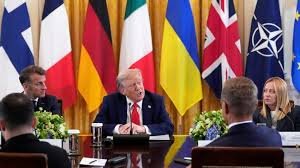
1.Understanding How Ukraine War Reached A Diplomatic Inflection Point, Ukraine peace talks 2025
Ukraine peace talks 2025, In order for peace efforts to gain their current level of importance, there must have been changes in military and political strategy between both sides during 2024/2025.
1.1.The Military Stalemate & Strategic Fatigue
The military stalemate was established during the first two years of intense conflict. In 2025, neither side made a major territorial gain. As a result, the requirement for negotiations was heightened. The cumulative effects of a prolonged conflict were being felt on public opinion in Europe and America as well.
1.2.The Impact of Economic Constraints & Global Energy Dynamics
Sanctions against Russia, interruptions in European gas supplies and increasing volatility of global oil prices had a knock-on effect on the economies of Europe. Although European countries did an excellent job of diversifying their energy supplies, they now understand that in order to have long-term stability within their own economies, there must be peace in Ukraine.
1.3 Political changes in the Western Countries
As Elections happened in both the United States and Europe, they caused changes in Foreign Policy. Both leaders of the various countries that held elections, felt pressure from their Citizens, to scale back Military Commitments to other Countries and focus on getting their economies back on track due to the bad economy and also to get back to Border Security.
1.4 Growing and Reaching Humanitarian Crisis
War has forced millions of people out of their homes, destroyed billions of dollars worth of Infrastructure and put a strain on Global Humanitarian Aid Delivery Systems. Humanitarian Organizations have reported that there has been a significant increase in the demand for Affordable Housing, Access to Medical Care and Food Security. Peace Talks/Negotiations are an absolute necessity for alleviating the suffering of Civilians.
Europe’s Resurgence as the State Facilitating the Peace Process
The United States has been a key partner in Ukraine’s defence since the beginning of the Conflict, but Europe has taken the initiative and positioned itself as a central facilitator for Peace Negotiations.
2.1 United Kingdom’s Role
Throughout the Conflict (Ukraine peace talks 2025), the United Kingdom has played an essential role in coordinating Military Assistance to Ukraine. By 2025, the UK will expand its role as a Prime Economic Power, with an increased emphasis on co-operatively working with Ukraine to provide strong Security Support and establishing a structured Peace Negotiating Format.
2.2 Germany’s Change
Germany has gone through perhaps the most dramatic Transformation. historically been a very cautious and reserved Country when we discuss Military Actions, however, Germany has increased Defense Spending, increased its Commitments to NATO and has established a much stronger Diplomatic Presence. Germany with its status as the Economic Engine of Europe, is also becoming the Leader for Ukraine’s Reconstruction efforts.
2.3 France’s View on an Independent Europe
France believes that Europe has a responsibility to help resolve its own conflicts in the neighborhood, with President Macron at the helm advocating for a European-focused solution to peace and stability issues in Europe, such as preventing long-term disruption and instability on Europe’s borders.
2.4 European Union Institutions Provide a Framework
In addition to creating individual country frameworks, the European Union has established formal mechanisms for negotiation, established humanitarian channels for funding, and has put into place models for post-conflict reintegration.
3.Elements of Peace Negotiations
The Peace Negotiations between Russia and Ukraine involve numerous complex issues, and these issues can not be fully resolved in a single day; however, the negotiations will cover several key topics of discussion:
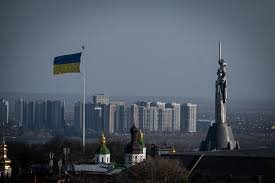
3.1 Territorial Issues
As with the majority of violence in Ukraine, the issue of territorial status is the most contentious subject to date, including the discussion of international monitoring, autonomy arrangements and security guarantees.
3.2 Security Guarantee and NATO
Ukraine’s future relationship with NATO will be an issue of intense debate; there have been multiple proposals, including:
Conditional acceptance into NATO.
Enhanced security relationships without full NATO membership.
Neutrality agreements with international support.
3.3 Demilitarization and Buffer Zones
The concept of establishing demilitarized regions along both sides of the frontlines, or international peacekeeping forces, has been suggested as a method to alleviate tension along the border.
3.4 Prisoner exchanges and humanitarian corridors
Both parties have said they are open to expanding prisoner exchange agreements. Humanitarian corridors will continue to play a critical role in evacuating civilians, providing medical assistance, and providing protection for civilians.
3.5 Economic sanctions and negotiations regarding trade
The Russian government is looking for relief from sanctions imposed by the West. \The EU and the United States have stated that in order for that to happen, Russia must take verifiable, measurable steps towards achieving peace.
4.Involvement of the United States; supportive yet deliberate
TheEU provides diplomatic leadership;
however, the United States will continue to exert considerable influence through its military support and sanctions programmes.
4.1 The U.S. will provide a guarantee of security
The United States has made it clear that in order to achieve lasting peace, there must be a guarantee from the U.S. that there will not be any future hostilities,
which would mean that the U.S. will have to serve as a long-term security partner with Ukraine after the war ends.
4.2 The U.S. must balance competing global interests
The United States has competing interests in different parts of the globe; there are security concerns in Asia, the Middle East, and with respect to domestic politics. The complexity of this environment increases the interest of the U.S. in using diplomatic means to facilitate stability in Europe.
5.Ukraine’s Position: Safeguard Sovereignty and Access Support
Ukraine considers the diplomacy related to peace process negotiations to be both an act of strength as well as a necessity for survival.
5.1 Recognising the Integrity of Territorial Borders
The Ukrainian government maintains that if a peace agreement is reached, it must either be based on legally defined internationally recognised borders, or it must provide security assurances that would eliminate the possibility of future military aggression against Ukraine by neighbouring countries.
5.2 Considerations of Elected Representatives in Ukraine
What the people of Ukraine believe and want has a major effect on what the elected representatives of the Ukrainian people choose to do in a time of war. Thus, elected representatives must take into account what the people of Ukraine think about proposed agreements prior to making a formal agreement.
5.3 The Republic of Ukraine’s Long-term Goal of Full Integration with the European Union and the Efforts for Rebuilding Ukraine
Since the beginning of its independence following the collapse of the Soviet Union, Ukraine has sought full economic and political integration with the European Union. The rebuilding of Ukraine after the war will take billions of dollars and it will be primarily the responsibility of the European community to provide the funds needed to help rebuild Ukraine once it has concluded its war with Russia.
6.Russia’s Strategic Objectives
The strategic position of Russia during the diplomacy associated with negotiating a peace settlement with Ukraine is governed by military realities and the effect of domestic political conditions and foreign policy considerations on the relationship between the two countries.
6.1 The Need for Sanctions Relief
Russia not only is interested in resuming access to international financial markets and foreign direct investment, but also needs to regain access to international financial institutions.
6.2 The Domestic Political Constraints of Military Conflict and Uncertainty
Military conflict and uncertainty create many political challenges for Russia, including the potential for domestic instability. As a result, an important aspect of achieving a peaceful solution to the conflict is to present a diplomatic pathway to resolution while simultaneously acknowledging Russia’s military strength and the obligations and responsibilities to provide appropriate levels of military security for itself and for its allies.
6.3 Keeping Influence on the Countries in the Region
Part of Russia’s goal is to have an influence in eastern Europe by not allowing NATO countries to expand any further into eastern Europe.
7.Humanitarian Reasons for Being Urgent to Negotiate
A humanitarian crisis exists today as a major reason to expedite negotiation efforts.
7.1 Displacement of Ukrainian People
Millions of Ukrainian refugees and internally displaced persons exist in Europe today due to the ongoing conflict. Many of these individuals are uncertain about housing options.
7.2 Damage to Critical Infrastructure
Damage to infrastructures such as hospitals, schools, roadways.
energy systems results in the worst infrastructure damage experienced by many areas.
7.3 Energy Shortages during Winter Months
Severe restrictions on limited access to energy resources during the cold weather months are endangering the health of many civilians. Ending the war would provide a much-needed relief to Ukraine’s energy grid.
7.4 Food Security
Ukraine was one of the largest global grain exporters before the conflict.
Disruption to agriculture in Ukraine has led to additional food insecurity for many individuals in both Africa and the Middle East.
8.Economic Incentives for Europe
All areas of the European economy—energy, trade, and technology—will be interconnected with the establishment of stability in Ukraine.
8.1 Energy Security
Europe has reduced its reliance on Russian gas for much of its energy needs.
however, the unpredictability of international energy markets has highlighted the urgent need for lasting peace.
8.2 Stability of Supply Chains
Ukraine is vital to the supply chains of many industries, including metals, agriculture, and transportation routes.
8.3 Economic Opportunity of Reconstruction
Once the war is over and reconstruction is implemented in Ukraine, it could become the largest economic development project undertaken in any part of Europe after World War II.
9.Security Implications for NATO and Europe
The advent of a peaceful Ukraine will have broad implications concerning how security is perceived and managed throughout Europe.
9.1.Strengthening NATO’s Eastern Flank
A return to peace will enable NATO to reallocate assets.
allow NATO to develop its long-term defense and deterrent strategies.
9.2.Technology and Defense Coordination
Recent advancements in technology have allowed the military of Europe to speed-up their digital modernisation initiatives.
develop new defensive systems against drones, and integrate intelligence across units.
9.3.Deterrence without escalation
Negotiating peace agreements, while being mindful of not creating an undue escalation of hostilities and creating stronger deterrent effects in conjunction with peace negotiations.
10.Challenges That May Derail Peace Negotiations
Although progress has been made in peace negotiations, many significant barriers exist.
10.1.Distrust Between the Parties
Years of fighting have created a high level of distrust between both parties. Therefore, both parties must create verifiable agreements.
10.2.Diverging Political Goals
Both Russia and Ukraine each have large, strong, internal, political reasons not to show weakness in their negotiations.
10.3.Global Geopolitical Competition
Major world powers, such as China, Iran, and the United States, also have a vested interest in the final outcome of these negotiations. This adds another layer of complications to the negotiations process.
11.The Future: Potential Outcomes
There are multiple scenarios:
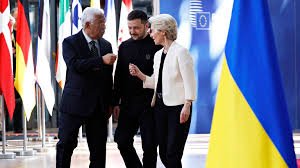
11.1 Full Peace Agreement
A complete cessation of hostility along with guarantees regarding security and a political resolution.
11.2 Frozen Conflict
A reduction in hostilities, but the underlying conflict remains unresolved and may continue indefinitely, as is currently the situation with Korea or Transnistria.
11.3 Partial Resolution
An agreement for the exchange of prisoners, humanitarian aid delivery via corridors, and demilitarization in selected areas.
11.4 Ongoing Violence
A continuation of hostilities and/or increased hostilities that could erupt due to differing political objectives between negotiating parties.
12.Conclusion: An Opportunity but a Fragile Opportunity
This round of diplomatic negotiations regarding peace between Ukraine and Russia has the greatest potential for diplomatic success since the beginning of the war at a time when Europe has become the major player in negotiations.
the United States is providing strategic materials for Ukraine, Ukraine wants to defend its sovereignty, and Russia has shown a willingness to negotiate with other parties.