Introduction
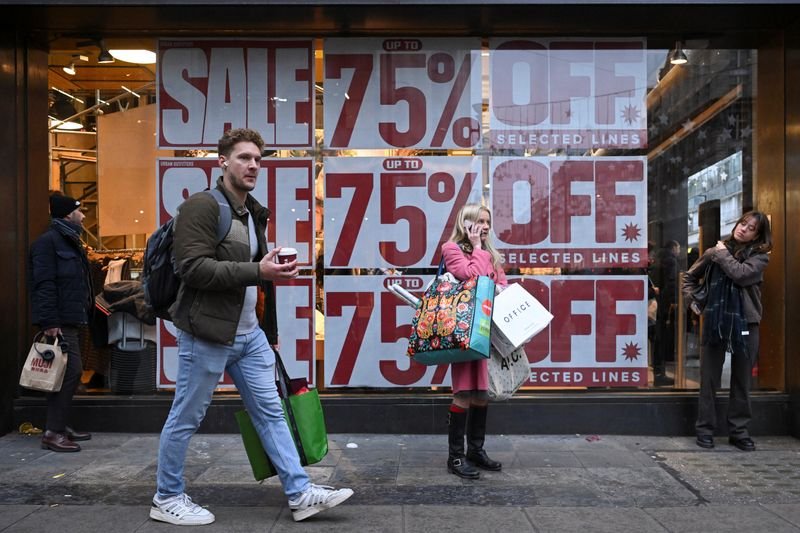
In recent years the U.K., like nearly every developed economy, has been dealing with one of its most challenging times; the media has been inundated with news of extremely slow or nonexistent economic growth, coupled with rising levels of uncertainty and extreme fluctuations in global stock, currency and commodity price levels, causing millions of people, many businesses, financial investors and local governments to experience extreme anxiety and choose between very difficult options.
The economy generates jobs, raises incomes, increases public spending and improves standards of living; therefore, an economy’s fundamental source of economic growth is the creation of job opportunities. Unfortunately, when the rate of new employment falls significantly below the level that creates the largest number of new employment opportunities, that economy’s ability to create income increases, raises public spending and improves living conditions decreases dramatically.
Furthermore, rapid fluctuations in the values of stocks, currencies and commodities have contributed to instability in financial markets creating an adverse effect on people’s ability to plan their present and future.
This blog will examine how weak economic growth has been measured, examine current global market volatility, how both of these areas will affect the average citizen and business owner and discuss where we can expect them to be in the next several years; by understanding these underlying causes, our readers will have a better understanding of the current headlines, and a better ability to prepare for future economic events.
How Is Weak Economic Growth Measured?
Gross domestic product (GDP), the total production of goods and services of an economy, is the primary measure of economic growth. If growth is “weak,” it means that GDP growth is occurring at a very slow rate, is stagnant, or has reduced growth temporarily due to a contraction.
Recent trends in the UK economy:
1.Minimal quarterly GDP growth
2.A limited number of temporary contractions followed by minor recoveries
3.Minimal recovery from prior levels of output immediately prior to the COVID-19 pandemic, with output levels only slightly above this pre-pandemic level
While the UK has not officially slipped into recession, the reality is that the economy operates significantly below its capacity – preventing improvements to employment, wage growth, and investment levels.
What Factors Contribute to Weak Growth in the UK?
1) High inflation and high-interest rates have produced a significant headwind for UK economic growth.
For example, rising inflationary prices for fuel, food and housing costs have created a large headwind against economic growth. To combat inflationary pressure, the UK Bank of England aggressively raised interest rates.
Higher interest rates control inflation; however, they also create:
Increased costs for mortgages and rents
Increased costs for companies to borrow money
Decreased consumer spending
Reduced levels of investment (businesses are hesitant to invest money due to the ongoing uncertainty)
As households devote increasing amounts of their income to pay necessities and loans, less disposable income is available, resulting in a continuing decline in disposable or discretionary income and consequently slower overall economic growth.
- Crisis in the Cost of Living
This crisis has greatly affected the real incomes of households through an increase in their cost of living. Even though wages are increasing, inflation has been greater than wage growth for a majority of households resulting in families being worse off because of the increase in their cost of living.
The impact of the cost of living crisis has been as follows:
- Lower Levels of Consumer Confidence
- Lower Levels of Retail Spending
- Increase in Household Debt
- Increase Demand for Government Assistance
Consumer spending is one of the largest contributors to the UK economy, and as such, when households reduce their spending, this will have a negative effect on economic growth.
- Weakness in Business Investment
Business investment is important for moderating long-term growth and productivity and also, innovation. Unfortunately, the amount of investment made in the UK has not been as high as expected and too many businesses continue to delay or cancel investment plans due to
- Expectation of Uncertain Future Demand
- Increased Borrowing Costs
- Trade Disputes
- Regulatory Changes
- Skills Shortage
When companies do not invest in their growth, productivity deteriorates, wages stagnate or decrease and competitiveness decreases.
- Brexit and Economic Trade Barriers
The economic effects stemming from Brexit continue to remain long after the initial impact of the referendum. The following trade barriers are being experienced by UK businesses due to Brexit:
- Increased Paperwork and Costs Associated with Compliance
- Limited Access to EU Markets
- Labour Shortages in Key Industries
- Disruptions in Supply Chains
The complexities in exporting and importing goods have grown, especially for smaller and medium-sized enterprises (SMEs), leading to reduced growth potential for the UK economy.
- Global Economic Slowdown
It should be noted that the UK is not an isolated economy, The recent Global slowdown has also affected other economies around the world, which has compounded the problem for the UK.
Major Economies of the World are Slowing Down
Geopolitical Conflict
Energy Market Disruptions
Weakness in Global Trade
As global demand goes down, UK exporters see their sales decrease and financial markets tend to be more volatile.
Market Volatility And Its Causes
Market Volatility is a term used to describe the rapid and unpredictable price changes that occur in various financial markets, including:
Equity and Equity-related investments (e.g., stocks)
Bonds
Foreign Exchange Markets (particularly the pound sterling)
Commodity Markets (e.g., oil, gold and silver)
In periods of high volatility, uncertainty, fear and sudden changes in expectations drive price changes.
- Interest Rate Uncertainty
Central Banks are a focus of attention for Financial Markets. Even minor language changes regarding interest rate changes by central banks can cause large price changes in Financial Markets.
In the UK, there are several key drivers of uncertainty:
Investors have no idea how long high interest rates will last
Inflation data continues to be unpredictable
Expectations of interest rates and inflation change frequently
Therefore, there is a wide range of price fluctuations in the stock, bond and foreign exchange markets.
- Currency Volatility and the Devaluation of the pound
The pound sterling has experienced a significant amount of volatility due to:
Trade Deficits (trade exports and imports)
Interest Rate Differentials between the UK and the other economies where the UK does business
Political Developments (domestic and international)
The global investor sentiment regarding the pound sterling.
A devalued pound helps to stimulate exports, but it also increases import costs, which increases inflation and continues to create uncertainty about future inflation and interest rates.
- Escalating Price of Commodities
Uncertain international economic and market conditions, as well as supply chain disruptions, have elevated:
Energy prices.
Precious metal prices.
Agricultural Good Prices.
The prices of Gold and Silver are either at or above their historical highs due to investors searching for “safe-haven” investments during uncertain economic periods.
- Investor Anxiety
Weak economic growth and uncertain future economic prospects generally lead investors to reduce their investment in:
Riskier assets.
Increase their usage of bonds and/or precious metal.
Be overly responsive to adverse news reports.
Such behaviour creates increased volatility in the markets and decreases the overall stability of the market.
Impacts to Households
Rising Prices for Houses
As interest rates have risen:
The costs of mortgages have increased.
The costs of rents are increasing.
Homeownership affordability is becoming increasingly difficult.
Many homeowners that are moving from a fixed-rate mortgage will see significant increases to their monthly mortgage payments and, as a result, have significantly less disposable income available to them.
Job Market Strain
While the rates of unemployment have not risen significantly, there are many signs of strain on the job market, including:
The pace of job creation has slowed down.
The number of Jobs Created will be lower than planned.
An increase in temp hiring versus permanent hiring.
Limited Growth Restricts Career Development Opportunities and Wage Growth.
Decreased Consumer Confidence
Uncertainty about the economy will affect the way people view their potential for spending and saving. A decrease in consumer confidence will result in:
Reduced retail spending.
The postponement of larger purchases.
An increase in precautionary savings.
This behaviour (while understandable) will have the net effect of further reducing opportunities for economic growth.
Small and Medium-Sized Enterprises (SMEs) are relatively more sensitive to weak growth, volatility, and other economic challenges, including:
Increasing input prices
Decreasing demand from consumers
Higher repayment amounts on loans
Cash flow pressures.
Small businesses generally have more difficulty absorbing prolonged economic downturns than larger businesses.
Despite relatively large companies, many companies are acting cautiously with respect to their growth strategies, such as
Delaying expansion plans
Reducing costs
Reducing the growth of their workforce
The overall effect of this cautious approach on the economy is a slowdown in productivity and a slow recovery of the economy.
The inability of the government to stimulate the economy is due to constraints on its fiscal policies because of:
Increased costs associated with servicing debt
Increased costs associated with welfare payments
Slowing growth in tax revenues
Difficult trade-offs faced by policymakers in trying to maintain both stability and growth while maintaining fiscal discipline and protecting the most vulnerable households at the same time have made decisiveness more difficult.
Monetary Policy Dilemma
The Bank of England plays a significant role in managing the current circumstances regarding monetary policy.
It has a difficult balance to maintain between:
Controlling inflation and other economic conditions
Preventing excessive economic downturns or recessions
Maintaining overall stability through its monetary policy
As a result of the above reasons, the Bank of England will be faced with the possibility of a recession if it keeps interest rates too high for too long, and it will also be faced with the risk of re-igniting inflation if it reduces the interest rates too soon.
Long-Term Structural Issues
The following are the buried, longer-term structural issues facing the UK beyond the short-term challenges mentioned:
Long-term Productivity Stagnation
For several years, productivity growth has been stagnant, which has limited wage growth and overall economic competitiveness.
Long-term Skills Gap Across Many Industries
Many industries are experiencing a skills gap, meaning that there are not enough skilled workers in proportion to job vacancies, which limits the potential for growth for many industries.
Long-term Regional Disparities In Economic Performance
The regions in the UK show significant differences in their economic performance, with significant discrepancies between regions such as London and the rest of the UK.
What could positively influence the UK economy?
- Stabilisation of Inflation
As inflation stabilises over time, interest rates may be reduced that would assist with alleviating some financial burdens on household and businesses.
- A commitment to Increase Investment
A long-term commitment to investment in infrastructure, innovation and training of employees will lead to greater long-term growth opportunities.
- Trade and Global Recovery
Improved global economic conditions and increased trade with other nations will support UK exports and economic growth.
- Rebuilding Consumer and Business Confidence
Rebuilding consumer and business confidence will require a clear direction in terms of policy along with an economically stable environment.
What are the long-term implications for the future?
The UK is not facing a crisis of collapse, but rather is in a vulnerable and unstable position economically. The combination of weak growth and fluctuations in financial markets is a result of deeper-rooted problems that may take some time to resolve.
In the short term, a positive surprise for individuals and businesses may be realised as inflation decreases; however, any significant sustained recovery will be dependent on the following items: productivity improvements; continued investment in our people and capital assets; long-term stability in government policy; and improved global economic conditions.
Conclusion
The combination of weak economic growth and heightened market volatility presents one of the most complex economic landscapes the UK has faced in years. Households feel the pressure through higher costs and uncertainty, businesses struggle with investment decisions, and policymakers walk a tightrope between stability and growth.
While the challenges are significant, they are not insurmountable. With thoughtful policy choices, improved global conditions, and renewed investment in productivity and skills, the UK can gradually move toward a more stable and prosperous future.
Understanding the forces behind today’s economic uncertainty is the first step toward navigating it—whether as a consumer, business owner, student, or investor.