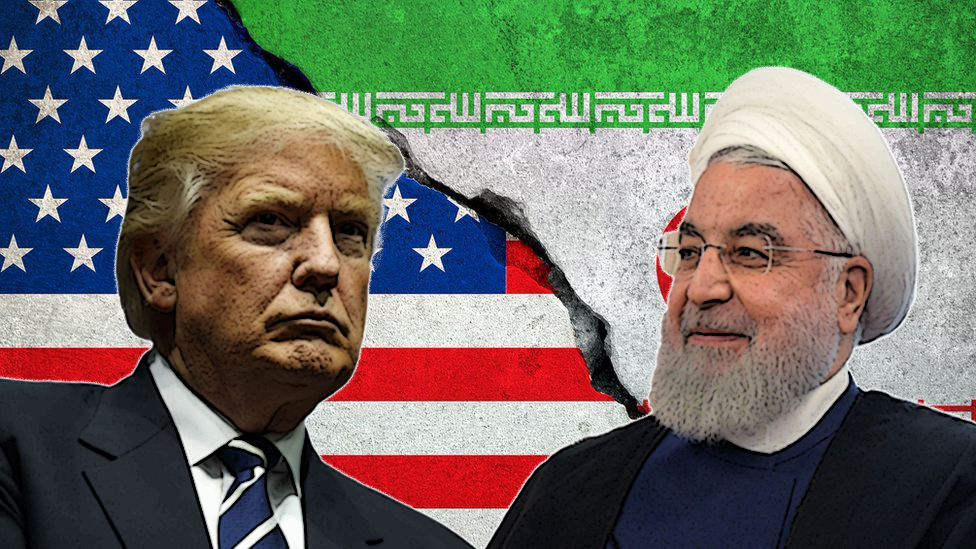

Introduction: Understanding Rising Tensions Between Iran and the United States
The topic of Rising Tensions Between Iran and the United States: What It Means for Global Security has once again taken center stage in international politics. Over the past few years, the relationship between Tehran and Washington has moved back and forth between fragile diplomacy and open confrontation. Today, those tensions are resurfacing with renewed intensity, raising serious concerns not only for the Middle East but for global security as a whole.
Iran and the United States are two powerful actors with opposing political ideologies, strategic interests, and regional ambitions. When tensions rise between them, the effects are rarely confined to bilateral relations. Instead, they ripple across global energy markets, international trade routes, military alliances, and diplomatic institutions. For policymakers, analysts, businesses, and ordinary citizens, understanding these tensions is essential.
This article provides an in-depth, SEO-friendly analysis of Rising Tensions Between Iran and the United States: What It Means for Global Security. We will explore the historical roots of the conflict, the key drivers behind current tensions, real-world examples of escalation, and the broader implications for regional and international stability. Finally, we will examine possible future scenarios and conclude with insights on why this issue matters to the entire world.

Historical Background of U.S.–Iran Relations: How Past Events Shape Rising Tensions
To understand the current situation, it is important to look at the historical context of U.S.–Iran relations. The relationship has been shaped by decades of mistrust, missed opportunities, and conflicting interests.
The Early Relationship Between Iran and the United States
Before 1979, Iran and the United States maintained relatively close ties. The U.S. supported Iran’s monarchy under Shah Mohammad Reza Pahlavi, viewing Iran as a key ally in the Cold War and a stabilizing force in the Middle East. During this period, cooperation in military, economic, and political spheres was common.
The 1979 Iranian Revolution and U.S.–Iran Tensions
Everything changed with the Iranian Revolution of 1979. The overthrow of the Shah and the establishment of the Islamic Republic marked a turning point. The new Iranian leadership adopted a strong anti-U.S. stance, viewing America as an imperial power that interfered in Iranian affairs. The hostage crisis at the U.S. Embassy in Tehran cemented hostility and set the tone for decades of strained relations.
Decades of Sanctions and Confrontation in US–Iran Relations
Following the revolution, the United States imposed economic sanctions on Iran, accusing it of supporting terrorism and pursuing destabilizing regional policies. Over time, sanctions expanded to include Iran’s banking sector, oil exports, and nuclear program. These measures deeply affected Iran’s economy and reinforced mutual suspicion.
This long history explains why Rising Tensions Between Iran and the United States: What It Means for Global Security cannot be viewed as a short-term or isolated issue.
Key Drivers Behind Rising Tensions Between Iran and the United States
Several interconnected factors are driving the current escalation between Iran and the United States. Understanding these drivers is essential for evaluating the broader security implications.
Iran’s Nuclear Program and Rising Tensions With the United States
One of the most significant sources of tension is Iran’s nuclear program. While Iran insists that its nuclear activities are for peaceful purposes, the United States and its allies fear the potential development of nuclear weapons. Disagreements over inspections, enrichment levels, and compliance with international agreements continue to fuel mistrust.
Economic Sanctions and Pressure Campaigns Impacting US–Iran Relations
U.S. sanctions remain a major pressure tool. These sanctions aim to limit Iran’s economic resources and influence, but they also contribute to hardship among ordinary Iranians. In response, Iran often adopts a more defiant posture, increasing tensions rather than reducing them.
Regional Influence and Proxy Conflicts in US–Iran Tensions
Iran’s influence across the Middle East is another key factor. Tehran supports various allied groups and political movements in countries such as Iraq, Syria, Lebanon, and Yemen. The United States views these actions as destabilizing and a threat to its allies, particularly Israel and Gulf states.
Military Presence and Deterrence in Rising US–Iran Conflicts
Both Iran and the United States maintain a strong military presence in and around the Persian Gulf. Naval patrols, military exercises, and close encounters increase the risk of miscalculation. Even minor incidents can escalate quickly, highlighting why Rising Tensions Between Iran and the United States: What It Means for Global Security is a matter of global concern.
Practical Examples of Escalation in US–Iran Tensions
Over the years, several incidents have demonstrated how quickly tensions can rise and threaten broader stability.
Attacks on Oil Infrastructure Amid Rising US–Iran Tensions
Attacks on oil tankers and energy facilities in the Gulf region have raised alarm among global markets. Even temporary disruptions can drive up oil prices and affect economies worldwide, showing the direct link between regional tensions and global economic security.
Cyber Warfare as a Factor in Rising Tensions Between Iran and the US
Cyberattacks have become a modern tool in the conflict. Both sides have been accused of targeting critical infrastructure, financial systems, and communication networks. Cyber warfare adds a new dimension to Rising Tensions Between Iran and the United States: What It Means for Global Security, as its impacts can cross borders instantly.
Diplomatic Breakdown in US–Iran Relations
Periods of stalled diplomacy and failed negotiations have often been followed by escalation. When dialogue collapses, military and economic pressure tend to increase, making compromise more difficult.
Implications for Middle East Security Amid Rising US–Iran Tensions
The Middle East is the region most directly affected by rising U.S.–Iran tensions.
Risk of Regional Conflict in the Middle East
Any direct confrontation between Iran and the United States could quickly involve neighboring countries and non-state actors. Such a conflict would likely destabilize already fragile states and worsen humanitarian crises.
Impact on Allies and Rivalries in US–Iran Tensions
U.S. allies in the region rely heavily on American security guarantees, while Iran seeks to expand its strategic depth. This dynamic intensifies rivalries and increases the likelihood of proxy conflicts.
Global Security Consequences of Rising Tensions Between Iran and the United States
The effects of Rising Tensions Between Iran and the United States: What It Means for Global Security extend far beyond the Middle East.
Energy Markets and Global Economy Affected by US–Iran Tensions
The Middle East plays a critical role in global energy supply. Any disruption in oil and gas flows can lead to price volatility, inflation, and economic instability worldwide.
International Trade and Shipping Routes in Times of Rising US–Iran Conflicts
Key maritime routes pass through the region. Increased tensions threaten the safety of shipping lanes, affecting global trade and supply chains.
Nuclear Non-Proliferation and Rising Tensions Between Iran and the United States
A breakdown in nuclear agreements could weaken the global non-proliferation regime. Other countries may reconsider their commitments, increasing long-term security risks.
Possible Future Scenarios in Rising US–Iran Tensions
Looking ahead, several scenarios could shape the future of U.S.–Iran relations.
Renewed Diplomacy Between Iran and the United States
A return to meaningful negotiations could reduce tensions and improve global security. Confidence-building measures and phased agreements may offer a path forward.
Prolonged Stalemate in US–Iran Relations
In this scenario, neither side escalates significantly, but tensions remain high. While avoiding war, this outcome maintains uncertainty and risk.
Escalation and Conflict Between Iran and the United States
The most dangerous scenario involves direct military confrontation. Such an outcome would have devastating consequences for regional and global security.
What Policymakers and the International Community Can Do About US–Iran Tensions
Addressing Rising Tensions Between Iran and the United States: What It Means for Global Security requires coordinated international efforts.
Addressing humanitarian impacts of sanctions
Encouraging sustained diplomatic engagement between Iran and the United States
Supporting multilateral frameworks and institutions
Reducing the risk of accidental escalation through communication channels
Conclusion: Why Rising Tensions Between Iran and the United States Matter for Global Security
In conclusion, Rising Tensions Between Iran and the United States: What It Means for Global Security is a critical issue with far-reaching implications. Rooted in decades of mistrust, fueled by nuclear concerns, sanctions, and regional rivalries, these tensions threaten stability in the Middle East and beyond.
While diplomacy remains challenging, it is also the most effective path toward reducing risk and ensuring long-term security. The choices made by leaders today will shape not only U.S.–Iran relations but also the future of global peace and stability. Understanding this issue is not just important for policymakers—it matters to everyone living in an interconnected world.