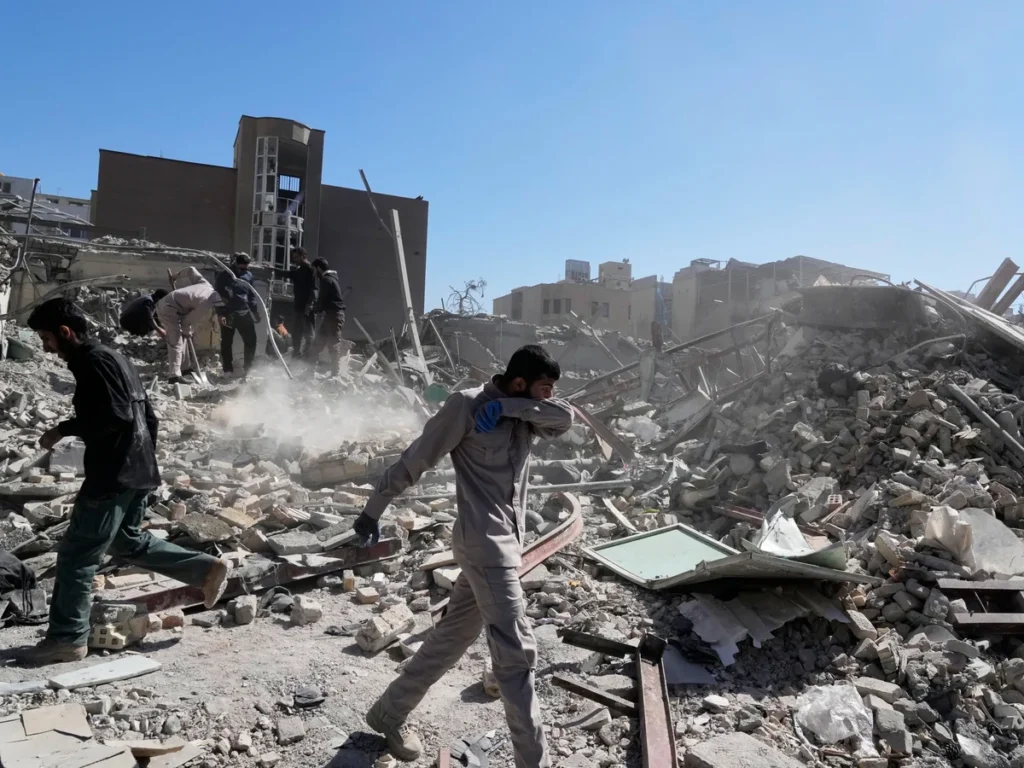

The present conflict escalation has created danger signs which extend beyond the boundaries of their current fighting zone.
People throughout the world who belong to three different groups which include governments and analysts and regular citizens share the same question of whether the Middle East will develop into a larger war. The present situation requires an analysis that goes beyond the existing news reports.
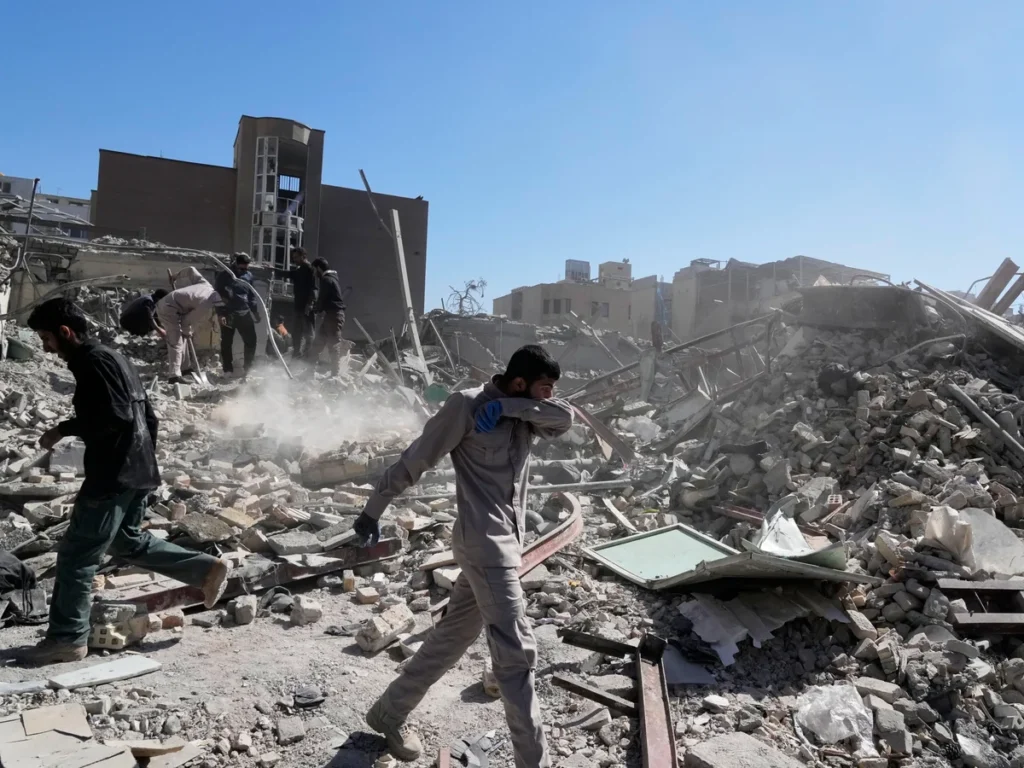
The current military conflict represents an extensive escalation which has developed from many years of unstable partnerships and ongoing territorial disputes and changing geopolitical conditions.
A Region Already Under Pressure The Middle East has experienced simultaneous wars which involve regional nations and extremist organizations and global powers for a period of several decades. The existence of territorial disputes and religious conflicts and political power struggles creates a dangerous environment which requires special attention.
When one country experiences rising tensions, its adjacent nations will experience immediate impacts which stem from those tensions.
The interconnected system of international relations means that even minor events such as border attacks or political killings can develop rapidly into major military conflicts. middle east war.
The recent military encounters between countries together with the increasing animosity between key players have heightened worries that the region might enter into an extensive conflict.
Why the Current Escalation Is Different The Middle East has experienced numerous conflicts throughout its history, but analysts believe that the present situation includes multiple distinct dangerous elements.
1. More Regional Players Involved The current conflict has expanded beyond previous wars because various nations now participate through direct and indirect involvement.
Regional powers are supporting allies through funding weapons intelligence or political backing.
This increases the chances of multiple regional powers backing different sides during the current conflict.
- The Increasing Prevalence of Proxy Warfare
Today, proxy warfare, which is defined as the act of larger powers supporting smaller, armed groups in armed conflict, is frequently resorted to. Many of these groups act outside of one nation-state, making the containment of violence very challenging.
The use of proxy warfare has a negative effect on diplomatic relations as well. When trying to negotiate peace or to bring about a peaceful resolution to the conflict, there may be many different parties having their own interests involved, which complicate the diplomatic process.
- The Focused Attention of Global Powers
World powers have vested interests in the Middle East (i.e., oil and gas resources, military alliances, geopolitical leverage, etc.). As regional tensions rise, these powers often tend to increase their military and diplomatic presence in the region and actively pursue the furtherance of their respective goals.
While this global intervention can stabilize situations within the region, it may also increase the size of the conflict should there be opposing powers involved.
The Cost of Escalation on Humans
The most detrimental effect of the escalation of armed conflicts is that the physical harm caused to civilians is immediate.
Cities that are the battlegrounds of conflict suffer from:
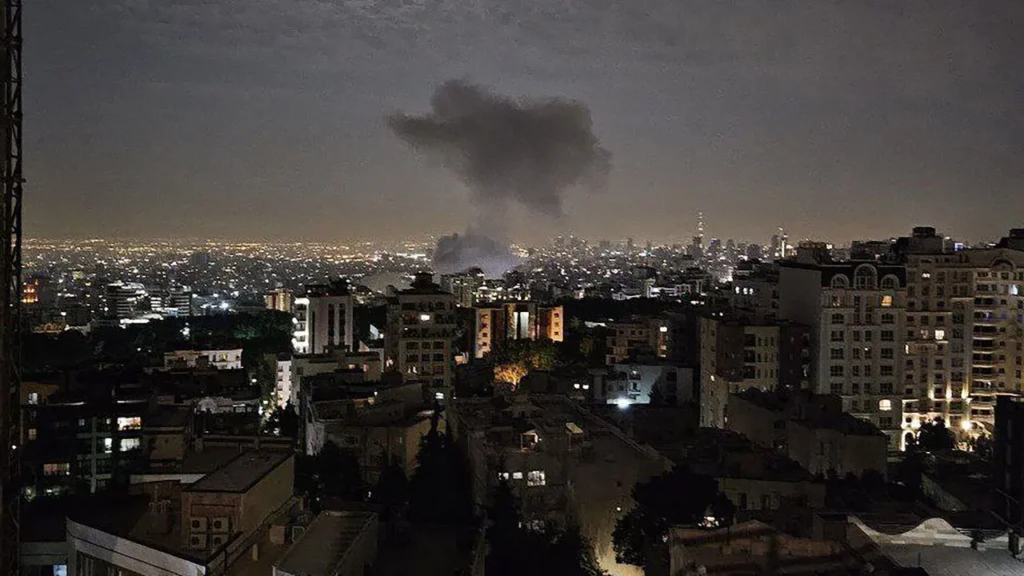
- Shortages of food and medical supplies.
- Disruption of infrastructure.
- Millions of displaced families.
- Increases in the number of civilian casualties.
Millions of civilians throughout this part of the world currently live aside from the ramifications of the many years of war. Any further escalation will contribute negatively to an already dysfunctional humanitarian situation.
Children are particularly affected during extended periods of conflict as schools and healthcare services disappear while they grow up in an environment of instability.
The Economic Impact of a Larger Conflict
If an expanded conflict occurs in the Middle East, it will not merely affect that area; it will have economic ramifications for the rest of the world as well.
The Middle East contains many of the world’s primary sources of energy. If conflicts disrupt shipping lanes, pipelines, or oil/gas production facilities, prices will go up dramatically.
Price increases in energy usually produce:
Higher transport costs
Increased world-wide inflation
Slow economic growth
International financial markets typically respond quickly to instability in the Middle East because they are all interconnected in today’s global economy.
Governments and international organizations are working on diplomatic efforts to stop further development of the conflict, despite increased tensions already evident in the region.
Although diplomatic negotiations, cease-fire talks, and communications through unofficial channels are regularly used to de-escalate situations that could become dangerous, those efforts rarely receive media attention but they remain very important to ensuring that conflicts do not escalate.
Cooperation is a key element to conducting successful diplomacy and because there is little trust amongst many of the parties involved in conflicts in the Middle East, progress can be slow.
What Happens Next?
Forecasting where the Middle East conflict will lead is nearly impossible. Situations develop and change very quickly, often in a matter of hours.
Several possibilities exist regarding the continued development of the conflict:
Limited escalations will occur where there continues to be fighting but it will be confined to a specific place.
Regional conflict: More than one country involved in the conflict directly.
Reduction of conflict through diplomacy: Ceasefires and negotiations being reached as a result of international pressure.
Much will depend on the course of political events during the upcoming months.
Why the Global Community Must Actively Monitor this Conflict
The escalation of the Middle Eastern War is not simply a regional problem; it has ramifications that will have worldwide impact. From humanitarian crises, to economic disruption, to the trickle down effects of the military conflict; the effects will be felt much further than where the bombs are dropped.
middle east war
For now, the world collectively holds its breath, hoping that diplomacy, restraint, and cooperation will stop the escalation of conflict and prevent its becoming a much larger and more catastrophic conflict than it already is.