

The Essential Dos and Don’ts in Education: What Every Learner Should Know.
Education is one of the most powerful tools we possess—shaping careers, character, and life opportunities. Whether you are a student, parent, teacher, or professional seeking personal growth, understanding the best practices in learning can make a huge difference. In today’s rapidly evolving world, learning is no longer limited to classroom walls. Technology, online platforms, skill-based programs, and global knowledge have transformed the way we acquire and apply information.
To help learners succeed in this changing landscape, this comprehensive guide explores “The Essential Dos and Don’ts in Education: What Every Learner Should Know.” This article breaks down the habits, strategies, and mindsets that lead to academic and personal success, while also addressing the pitfalls that students should avoid. By following these dos and don’ts, learners can build confidence, stay motivated, and create a path toward lifelong learning.
Introduction: Why Understanding Dos and Don’ts Matters in Education
Education is not simply about memorizing facts—it’s about learning how to think, solve problems, communicate, and grow. Many learners struggle not because they lack potential, but because they are unaware of effective strategies or fall into common mistakes that limit progress.
That is why “The Essential Dos and Don’ts in Education: What Every Learner Should Know” is such an important concept. By knowing what to do—and what to avoid—you can:
- Improve your study habits
- Retain information more effectively
- Reduce stress and procrastination
- Boost academic performance
- Develop self-discipline
- Create long-term success beyond school
The dos and don’ts shared in this guide are supported by research, real-world examples, and practical advice suitable for learners of all ages.

SECTION 1: The Essential DOs in Education
## 1. Do Take Responsibility for Your Learning
One of the most important principles in “The Essential Dos and Don’ts in Education: What Every Learner Should Know” is ownership. Successful learners take responsibility for their education.
This means:
- Setting goals
- Managing your time
- Asking questions
- Seeking help when needed
- Staying motivated even when learning gets difficult
When learners become active participants instead of passive observers, education becomes more meaningful and effective.
2. Do Develop Strong Study Habits
Success in education isn’t based on talent alone—your habits matter far more.
Effective study habits include:
- Creating a daily study schedule
- Breaking big tasks into smaller ones
- Using the Pomodoro technique
- Reviewing notes regularly
- Studying in a quiet, organized environment
When you develop strong habits, learning becomes easier, faster, and more enjoyable.
3. Do Set Clear and Achievable Goals
Goal-setting provides direction and motivation. Whether it’s earning higher grades, improving in a specific subject, or mastering a new skill, learners should set SMART goals:
- Specific
- Measurable
- Achievable
- Relevant
- Time-bound
Clear goals help students stay focused and measure progress effectively.
4. Do Ask Questions and Stay Curious
Curiosity is the heart of learning. Great learners question why, how, and what if.
Asking questions:
- Deepens understanding
- Builds critical thinking skills
- Helps connect concepts
- Encourages exploration
- Prevents confusion
In “The Essential Dos and Don’ts in Education: What Every Learner Should Know,” curiosity is seen as a major driver of academic success.
5. Do Use Technology Wisely
Technology can support learning in powerful ways when used correctly:
- Online courses
- Educational videos
- E-books and digital libraries
- Language learning apps
- AI tools
- Virtual tutoring
But remember—technology should support learning, not distract from it. We’ll cover the “don’ts” of technology later.
6. Do Seek Feedback and Use It
Feedback is essential for growth. Whether it’s from teachers, mentors, or peers, constructive criticism helps learners identify areas for improvement.
Use feedback to:
- Adjust your study strategies
- Understand your mistakes
- Develop a growth mindset
- Build confidence
When you embrace feedback, you become stronger academically and personally.
7. Do Collaborate With Others
Education is not meant to be a solo journey. Collaboration helps learners:
- See different perspectives
- Improve communication skills
- Learn faster through group discussion
- Develop teamwork abilities
Study groups, peer tutoring, and collaborative projects all strengthen the learning process.
8. Do Prioritize Your Mental and Physical Well-Being
A healthy mind needs a healthy body. High performance in education requires:
- Enough sleep
- Balanced nutrition
- Physical activity
- Stress management
- Mental health awareness
Students who take care of themselves perform better academically and emotionally.
9. Do Read Regularly and Diversely
Reading exposes learners to new ideas, cultures, and ways of thinking. Regular reading improves:
- Vocabulary
- Critical thinking
- Writing skills
- Imagination
- Knowledge retention
Even 20 minutes of reading per day can transform your learning ability.
10. Do Practice What You Learn
Knowledge becomes powerful only when applied. Whether you’re studying mathematics, science, language, or professional skills, real-world practice makes learning stick.
This includes:
- Solving problems
- Doing practical exercises
- Teaching others
- Applying concepts to real life
Learning by doing is one of the strongest principles in “The Essential Dos and Don’ts in Education: What Every Learner Should Know.”
SECTION 2: The Essential DON’Ts in Education
Just as important as the dos are the don’ts—common mistakes that hold learners back.
1. Don’t Procrastinate
Procrastination is one of the biggest obstacles in education. It causes stress, reduces the quality of work, and leads to last-minute studying that rarely works.
Avoid procrastination by:
- Starting tasks early
- Breaking tasks into small steps
- Removing distractions
- Rewarding yourself for progress
2. Don’t Study Only When You Feel Like It
Motivation comes and goes, but discipline stays. Successful learners study consistently, not only when they are “in the mood.” Consistency creates mastery.
3. Don’t Cram Before Exams
Cramming may feel productive, but it leads to poor retention and high stress. Long-term learning requires spaced repetition, regular review, and mindful practice.
4. Don’t Compare Yourself to Others
Every learner has a different background, pace, and learning style. Comparing yourself to others only causes frustration and self-doubt. Focus on your progress.
5. Don’t Fear Making Mistakes
Mistakes are a natural part of learning. They show where you need improvement and help you grow. Avoiding mistakes also means avoiding learning opportunities.
Embrace mistakes—they are stepping stones to understanding.
6. Don’t Multitask While Studying
Multitasking reduces concentration and weakens memory. Whether it’s browsing social media, texting, or watching TV, distractions can destroy productivity.
Focus on one task at a time for better results.
7. Don’t Overuse Technology
Technology is helpful, but too much dependence can hurt:
- Excessive screen time
- Endless notifications
- Social media addiction
- Relying on AI tools instead of thinking
Use technology to learn—not to avoid learning.
8. Don’t Ignore Your Health
Overstudying, stress, and poor sleep can damage both academic performance and well-being. Education requires balance. Ignoring your health leads to burnout.
9. Don’t Assume One Learning Style Fits All
Some students learn visually, others through listening, reading, or hands-on practice. Explore different methods until you find what works best for you.
10. Don’t Isolate Yourself
Studying alone is useful, but complete isolation limits growth. Social learning—discussions, group projects, and peer interactions—enhances understanding.
SECTION 3: Additional Tips for Learners of All Ages
To expand the value of “The Essential Dos and Don’ts in Education: What Every Learner Should Know,” here are more strategies learners can use to excel academically and personally.
1. Build a Growth Mindset
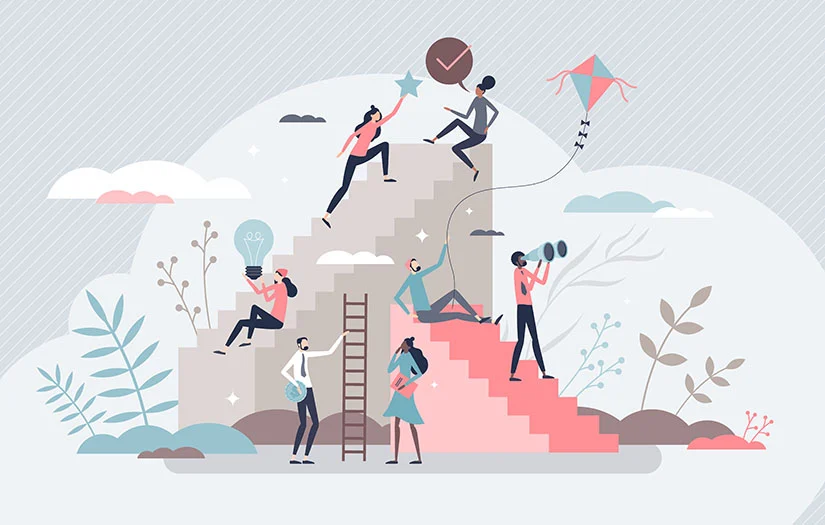
A growth mindset helps learners believe that abilities can improve through effort. Instead of saying:
❌ “I’m not good at this,”
say:
✔ “I can get better with practice.”
2. Stay Organized
Organization is essential for success:
- Keep clean notes
- Track assignments
- Use planners or digital tools
- Organize your workspace
Disorganization creates unnecessary stress.
3. Seek Mentorship
A mentor—teacher, coach, or experienced peer—can provide guidance, motivation, and support.
4. Celebrate Small Wins
Recognizing progress keeps learners motivated. Celebrate even the small achievements.
5. Maintain a Positive Attitude Toward Learning
A positive attitude improves memory, productivity, and resilience.
SECTION 4: The Role of Parents and Teachers
Education is a partnership between learners, parents, and educators.
Parents Should:
- Encourage curiosity
- Provide a supportive home environment
- Monitor screen time
- Communicate with teachers
- Celebrate achievements
Teachers Should:
- Inspire confidence
- Provide constructive feedback
- Use inclusive teaching methods
- Support different learning styles
- Create a safe learning environment
Together, they help shape confident, capable learners.
SECTION 5: Lifelong Learning – Education Beyond School
Education doesn’t end with graduation. Lifelong learning is essential in today’s world:
- New technologies
- Changing job markets
- Personal development
- Skill-based training
- Continuous growth
The dos and don’ts of learning apply to adults just as much as students.
Conclusion: Mastering the Essential Dos and Don’ts in Education
Understanding “The Essential Dos and Don’ts in Education: What Every Learner Should Know” empowers students to become stronger, more confident, and more successful learners. By applying the dos—such as responsibility, curiosity, organization, consistency, and healthy habits—and avoiding the don’ts—like procrastination, distractions, and negative comparisons—any learner can reach their highest potential.
Education is a lifelong journey, and the choices learners make today shape their future success. With the right mindset, strong habits, and clear guidance, anyone can thrive academically, professionally, and personally.