
Introduction
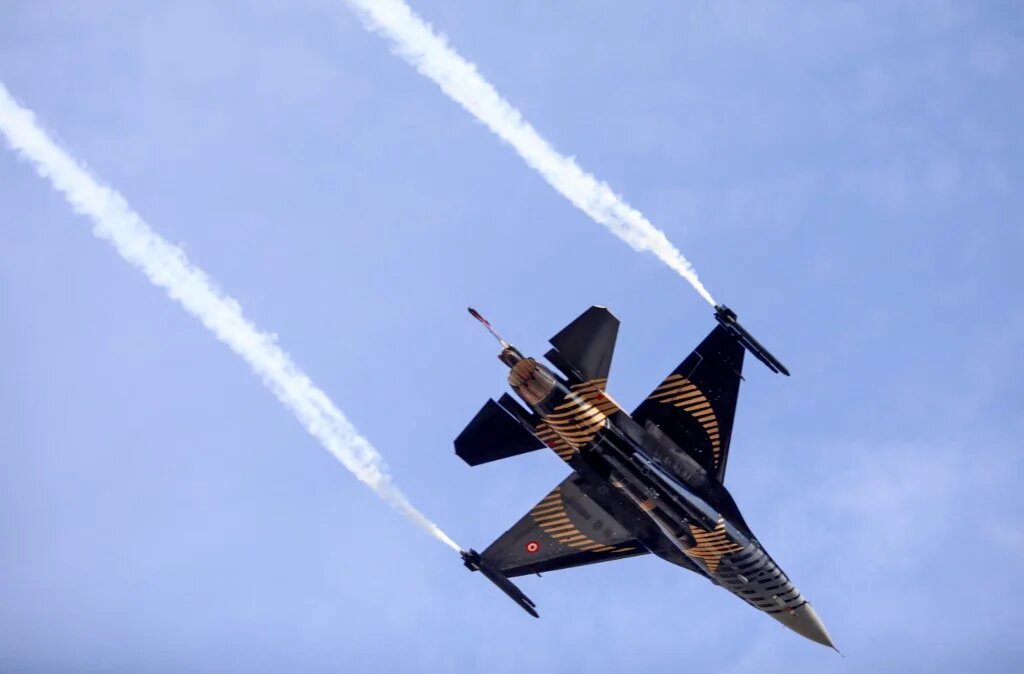
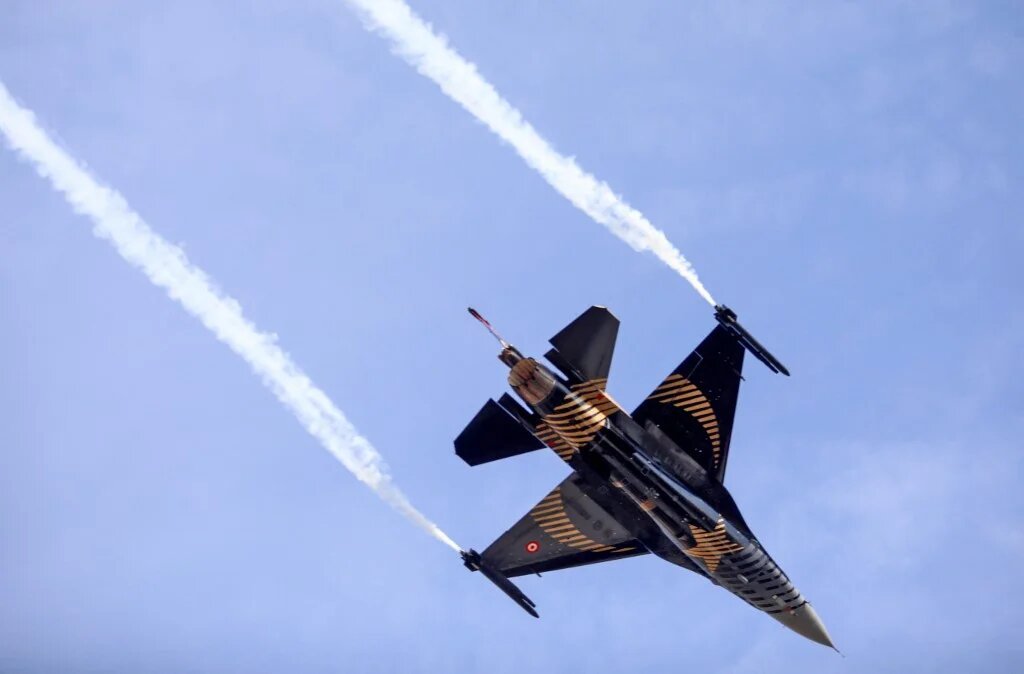
The headline Turkey Deploys F-16 Fighter Jets to Somalia in 2026: What It Means for Regional Security – Expert Analysis and Insights marks one of the most significant military and geopolitical developments in the Horn of Africa in recent years. Turkey’s decision to deploy advanced F-16 fighter jets to Somalia represents more than a routine defense cooperation move — it signals a shift in regional power dynamics, counterterrorism strategy, and long-term security planning.
For Somalia, a country rebuilding its national security institutions after decades of conflict, this deployment could enhance air defense and operational capability. For Turkey, it reflects an expanding strategic footprint in Africa. For neighboring countries and global powers, it raises important questions about influence, stability, and military balance in the region.
This in-depth article explores Turkey Deploys F-16 Fighter Jets to Somalia in 2026: What It Means for Regional Security – Expert Analysis and Insights, breaking down the background, motives, risks, strategic outcomes, and expert perspectives.

Background: Turkey–Somalia Military Relations
Understanding Turkey Deploys F-16 Fighter Jets to Somalia in 2026: What It Means for Regional Security – Expert Analysis and Insights requires context. Turkey has steadily built one of the strongest foreign partnerships in Somalia over the past decade.
Turkey’s Expanding Role Since 2017
Turkey opened its major overseas military training facility in Mogadishu in 2017. Since then, Ankara has:
- Trained Somali soldiers
- Supplied military equipment
- Provided advisory support
- Invested in infrastructure and development
This long-term engagement shows that the F-16 deployment is not sudden — it is the next stage in a growing defense relationship.
What Are F-16 Fighter Jets and Why Do They Matter?
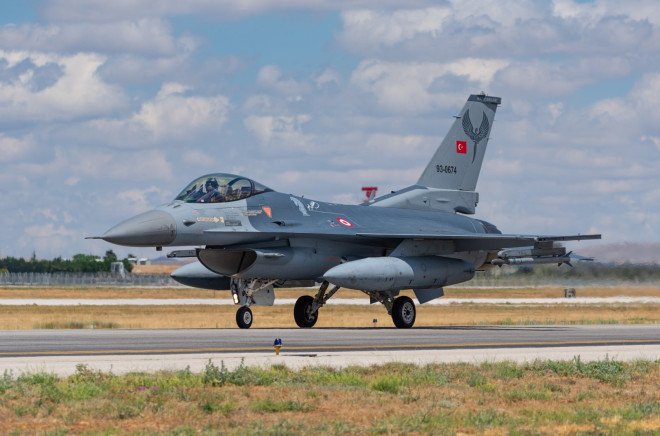
A key part of Turkey Deploys F-16 Fighter Jets to Somalia in 2026: What It Means for Regional Security – Expert Analysis and Insights is understanding the aircraft itself.
The F-16 Fighting Falcon is a multirole combat aircraft capable of:
- Air-to-air combat
- Precision air-to-ground strikes
- Surveillance and rapid response
- Defensive patrol missions
Compared to drones and helicopters, F-16s bring speed, firepower, range, and deterrence capability — dramatically increasing aerial presence.
Why Turkey Deploys F-16 Fighter Jets to Somalia in 2026
Several strategic reasons explain this move.
1. Counterterrorism Operations
Somalia continues to face threats from militant groups. Air superiority allows:
- Faster strike response
- Intelligence-supported targeting
- Support for ground operations
This strengthens counterterrorism effectiveness.
2. Protection of Strategic Interests
Turkey has growing economic and infrastructure interests in Somalia. Military presence helps protect:
- Key installations
- Ports and logistics corridors
- Strategic investments
3. Long-Term Strategic Influence
Turkey Deploys F-16 Fighter Jets to Somalia in 2026: What It Means for Regional Security – Expert Analysis and Insights also highlights Ankara’s broader aim — increasing influence in the Horn of Africa and along critical maritime trade routes.
Regional Security Implications
The deployment changes the regional security equation.
Enhanced Deterrence
The presence of fighter jets sends a message that Somalia now has strong aerial backing, discouraging hostile actions by both state and non-state actors.
Shift in Military Balance
Neighboring countries must now factor Turkey’s advanced air capability into their security calculations.
Improved Response Capacity
F-16 jets allow faster intervention in emergencies, border threats, or high-risk operations.
Practical Example: Counterterrorism Scenario
Imagine a militant group establishing a base in a remote region:
- Ground forces identify the threat
- Surveillance confirms movement
- F-16 jets conduct rapid precision strikes
- Ground troops move in with air cover
This combination improves mission success while reducing prolonged conflict.
Expert Insights
Security analysts note that Turkey Deploys F-16 Fighter Jets to Somalia in 2026: What It Means for Regional Security – Expert Analysis and Insights reflects modern military partnership trends:
- Regional security now depends on alliances
- Air power is key to counterinsurgency
- Training and technology transfer are long-term goals
However, experts also warn that foreign military presence must be balanced with Somali sovereignty and capacity building.
Risks and Challenges
Sovereignty Concerns
If foreign forces operate most advanced systems, Somalia may remain dependent.
Escalation Risk
Increased military capability can heighten tensions if not managed carefully.
Logistics and Maintenance
F-16 jets require advanced infrastructure, technical expertise, and consistent support.
Connection to Wider Geopolitics
Regional security developments in the Horn of Africa often connect to broader global tensions. For example, shifts in military cooperation and strategic alignments can influence wider international dynamics, similar to developments discussed in global security analyses like Rising Tensions Between Iran and the United States.
Best Practices for Military Partnerships
Experts recommend:
- Clear operational agreements
- Training local personnel
- Transparency in defense cooperation
- Focus on long-term self-sufficiency
Future Outlook
Looking ahead, Turkey Deploys F-16 Fighter Jets to Somalia in 2026: What It Means for Regional Security – Expert Analysis and Insights suggests:
- Deeper defense ties
- Possible technology transfer
- Expanded joint exercises
- Stronger Somali air capabilities over time
Conclusion
The development captured in Turkey Deploys F-16 Fighter Jets to Somalia in 2026: What It Means for Regional Security – Expert Analysis and Insights represents a major shift in regional defense strategy. It strengthens Somalia’s aerial security capacity, expands Turkey’s strategic footprint, and reshapes military balance in the Horn of Africa.
While the move brings opportunities for stability, counterterrorism effectiveness, and defense modernization, it also requires careful management to avoid dependency, escalation, or geopolitical friction.
Ultimately, this deployment illustrates how modern security is increasingly shaped by international partnerships, advanced air power, and strategic regional cooperation.