
Introduction
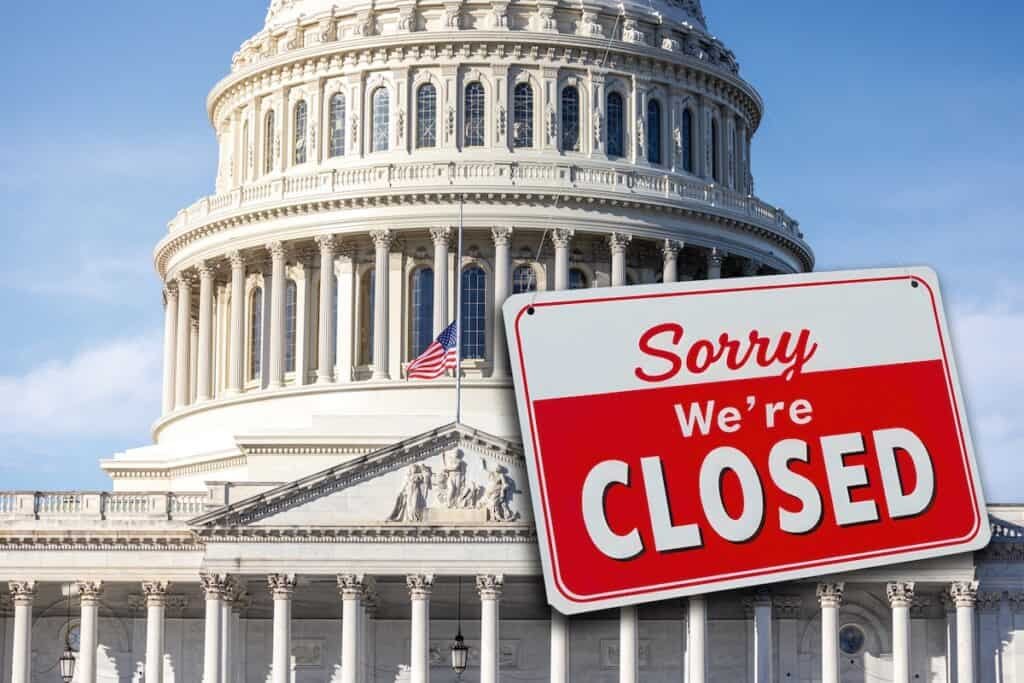
The concept of the US government shutting down is among the most disruptive occurrences within American public administration to date. Millions of federal employees will be impacted, and government service will be slowed or ceasing altogether. Financial markets are adversely affected, and the global interest in US government shutdowns is routinely heightened. Each time this occurs, there are serious concerns about what has caused it, what entity is responsible for it, how it impacts ordinary citizens, and what it means for both the US and global economies.
The purpose of this guide is to provide you with everything you need to understand about the US government shutdown (why it occurs, the history of it, its economic impacts, and what happens in the US government and the world as a result of a shutdown). Whether you are an academic/student, a researcher, a business owner/operator, or simply interested in this important governance issue in the US, this guide will provide you with a good understanding of it.
Absent the passing of funding bills or temporary extensions, shutdowns are generally effective at 12:01 a.m. on October 1 (beginning of the federal fiscal year).
What Causes US Government Shutdowns?
- Congress: Budget Disputes
The primary reason that government shutdowns occur is because of a difference of opinion between:
House of Representatives
Senate
President
Essentially, when:
Level of federal spending
Policy ‘riders’ attached to the legislation
Limits on debt
Major political concerns, such as healthcare, immigration, military and defence funding
When this happens and the parties involved cannot come to an agreement on an acceptable level of spending, the government will not be funded.
- Failure to Produce Appropriations Bills
The federal government functions through the use of 12 annual appropriations bills that cover areas such as defence, transportation, health care, and education. Without passing all or part together, the federal government lacks funding approvals.
- Rejecting Continuing Resolutions
A continuing resolution (CR) is a temporary method of funding the federal government at the last approved rates. If Congress does not approve a CR, then the government will have no other option but to shut down.
- The Way That Political Parties Use Shutdowns to Leverage Power
Shutdowns may also be caused by political parties utilizing the deadline for funding as leverage in their respective negotiations to resolve unrelated policy issues. This approach is often deemed controversial, and it causes significant harm to the general population.
A Brief History of US Government Shutdowns
The United States government has had several instances of shutdown since the beginning of the federal budget regulations in 1974.
Historic Shutdowns in the US:
1976-1996 – The beginning of government shutdowns:
The majority of these early shutdowns lasted between 1-3 days.
There was very little impact on society because of the length of time involved.
Most were able to be resolved quickly.
1995-1996 – Government shutdown due to budget conflict during the Clinton administration:
The duration of this shutdown was 21 days.
This government shutdown was caused by a disagreement concerning the budgets of the White House and Congress.
It also resulted in the furlough of hundreds of thousands of federal employees.
2013 – Government shutdown because of the Affordable Care Act during the Obama Administration:
The duration of this shutdown was 16 days.
The government shutdown due to the Affordable Care Act also cost the economy billions of dollars.
2018-2019 – Temporarily closed federal government due to a budget disagreement during the Trump Administration:
This was the longest shutdown in US history lasting 35 days.
The cause of the shutdown revolved around funding for increased border security.
More than 800,000 federal employees were affected. Each government shutdown increased public awareness of how fragile and unstable federal funding can be.
What is the process during a government shutdown?
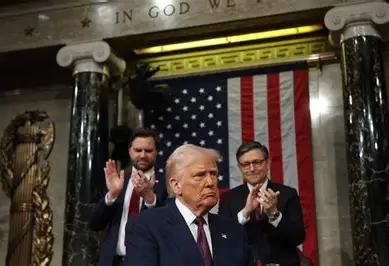
Federal government agencies divide their employees into two categories when a government shutdown occurs.
Essential Employees: Employees listed in this category will continue to report to work even though they will not receive payment immediately.
Examples of essential employees include military personnel, air traffic controllers, border security agents, emergency services employees, and law enforcement employees.
Non-Essential Employees: Employees listed in this category will not report to work but will stay home on a temporary basis.
Examples of non-essential employees include employees of national parks, museums, departments of research and regulation, and numerous administrative positions, etc.
Can Government Shutdowns Be Prevented?
Shutdowns are preventable according to many experts.
Solutions
Automatic Continuing Resolutions:
When Congress does not pass a budget on time, the current spending levels continue automatically.
Multi-Year Budget Agreements:
The inability to agree on a budget every year causes disputes; by having budgets in place for multiple years will reduce this occurrence.
Improved Bipartisan Cooperation:
Reduction in political polarization leads to fewer shut down risks.
Penalties for Lawmakers:
Some suggestions have been to withhold congressional salaries during government shutdowns.
Although none of these suggestions provides a perfect solution, they all lessen the disruption caused by government shutdowns.
Impacts of Government Shutdowns
A government shutdown is not only a political issue, but it affects the entire country and world.
The effects of a government shutdown include:
Workers & their families
Public Services
Economic Stability
The level of international confidence in the U.S. Government
The effects of political decisions made in Washington DC can affect people as a whole across the globe.
The Human Toll of Government Shutdowns
Government shutdowns affect people more than just economically and politically. Families suffer due to lack of income during a period of uncertainty, and members of the community experience a loss of services. Small businesses have no confidence when it comes to economic growth, and these issues are often lost during political discussions.
The Future of Government Shutdowns
Without any structural change, government shutdowns will continue to be part of the American political landscape. However:
People are opposed to government shutdowns now more than ever.
Documentation confirming the economic effect of a government shutdown exists.
Public pressure for reform continues to increase.
The frequency of government shutdowns will be determined by the willingness of politicians, and based on the structure of the U.S. Government.
Final Thoughts
US government shutdown is a powerful reminder that governance matters—not just for politicians, but for everyday life in America and beyond. While shutdowns stem from budget disagreements, their consequences ripple through society, the economy, and the international system.
Understanding what shutdowns are and why they happen helps citizens, businesses, and global partners better navigate uncertainty. With thoughtful reforms and cooperation, shutdowns do not have to be inevitable.